
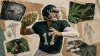
Professional and elite athletes in contact sports described using cannabis for pain, sleep, recovery, anxiety, and other reasons while often relying on teammates, online research, and trial and error instead of trusted medical guidance. Even as sports leagues relax their policies, fear of judgment, punishment, and career consequences continues to keep cannabis use largely out of official conversations in locker rooms and clinical settings.
Major North American sports leagues have been relaxing their cannabis policies for years. Some have removed the plant from their lists of prohibited substances, while others have reduced penalties or modified their testing systems. However, regulatory changes haven’t always been accompanied by a cultural shift.
For many athletes, discussing cannabis with doctors, coaches, or team officials can still mean being judged, losing opportunities, or falling under suspicion. But many athletes have something in common: they use cannabis for pain, sleep, recovery, or mental health, often without clear guidance on dosage, risks, interactions, or product quality.
In this scenario, athletes often rely on teammates, internet searches, and personal experimentation. Yes, policies are less strict than a decade ago, but cannabis remains a difficult topic to address in locker rooms and sports clinics.
That gap forms the basis of a new study partially funded by the NFL–NFLPA Joint Pain Management Committee. Its conclusion is not that leagues should recommend cannabis, but rather that continuing to address it solely through punishment and stigma leaves athletes making important decisions with incomplete information.
Athletes and Weed: What Happens Behind the Rules
The study, published on July 7, 2026, in the scientific journal Sports Health, was conducted by researchers from the University of Saskatchewan and the University of Regina in Canada, as reported by Marijuana Moment. According to its authors, it is the first qualitative study to focus specifically on professional and …
Read More
Author: Camila Berriex / High Times